

Reading is more than a simple hobby; it is a gateway to knowledge, imagination, and personal growth. Every page you turn opens new worlds, introduces fascinating characters, and challenges your mind to think differently. But what makes reading so powerful for your brain and overall well-being?
The Cognitive Benefits of Reading
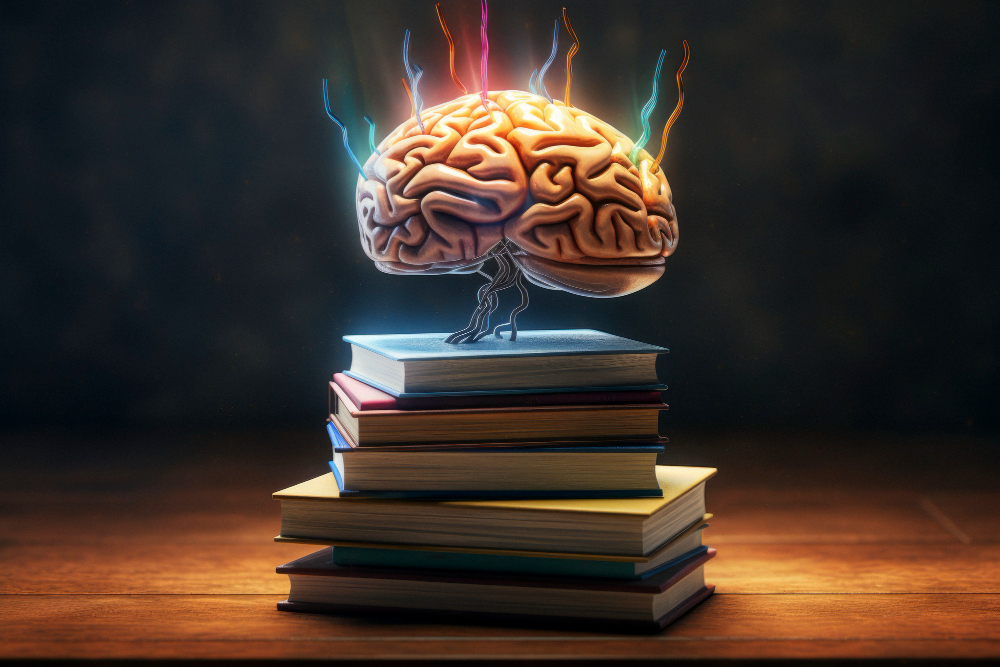
When you read, your brain engages in complex processes. It decodes words, interprets meanings, and visualizes scenes, activating multiple cognitive functions simultaneously. Regular reading has been linked to improved memory, better focus, and enhanced problem-solving skills. Even just 20 minutes of reading a day can significantly boost your mental agility.
Moreover, reading fiction allows your mind to explore diverse perspectives. By understanding the emotions and experiences of characters, readers develop empathy—a critical skill for social interactions and emotional intelligence. Nonfiction, on the other hand, provides facts, insights, and knowledge that expand your understanding of the world, helping you make informed decisions.
Imagination and Creativity
Books are a playground for the imagination. When you read a story, your brain constructs images, hears voices, and even feels sensations described in the text. This active mental engagement stimulates creativity, helping you generate new ideas and think outside the box. Writers, inventors, and innovators often cite extensive reading as a source of inspiration for their work.
Reading and Emotional Health
Beyond cognitive and creative benefits, reading also nurtures emotional well-being. Immersing yourself in a book can reduce stress, lower anxiety levels, and provide a healthy escape from daily pressures. Many people find comfort and motivation in literature, whether through inspiring biographies, thrilling adventures, or heartfelt fiction.
Tips for Developing a Reading Habit
To fully reap the benefits of reading, consistency is key. Here are some tips:
- Set a daily reading time: Even 15–30 minutes before bed can make a difference.
- Mix genres: Alternate between fiction and nonfiction to stimulate both imagination and analytical thinking.
- Take notes: Highlight interesting ideas or unfamiliar words to deepen understanding.
- Discuss books: Join book clubs or share insights with friends to reinforce comprehension and critical thinking.
Conclusion
Reading is more than acquiring information—it is a tool for personal growth, creativity, and emotional intelligence. By dedicating time to read regularly, you can expand your mind, enrich your life, and develop skills that benefit both your personal and professional world.
Difficult Words and Their Translations
- Gateway – Porta de entrada
- Cognitive functions – Funções cognitivas
- Empathy – Empatia
- Nonfiction – Não ficção
- Agility – Agilidade
- Perspectives – Perspectivas
- Stimulates – Estimula
- Analytical thinking – Pensamento analítico
- Immersing – Imersão, mergulho (no contexto de se envolver profundamente)
- Inspiration – Inspiração