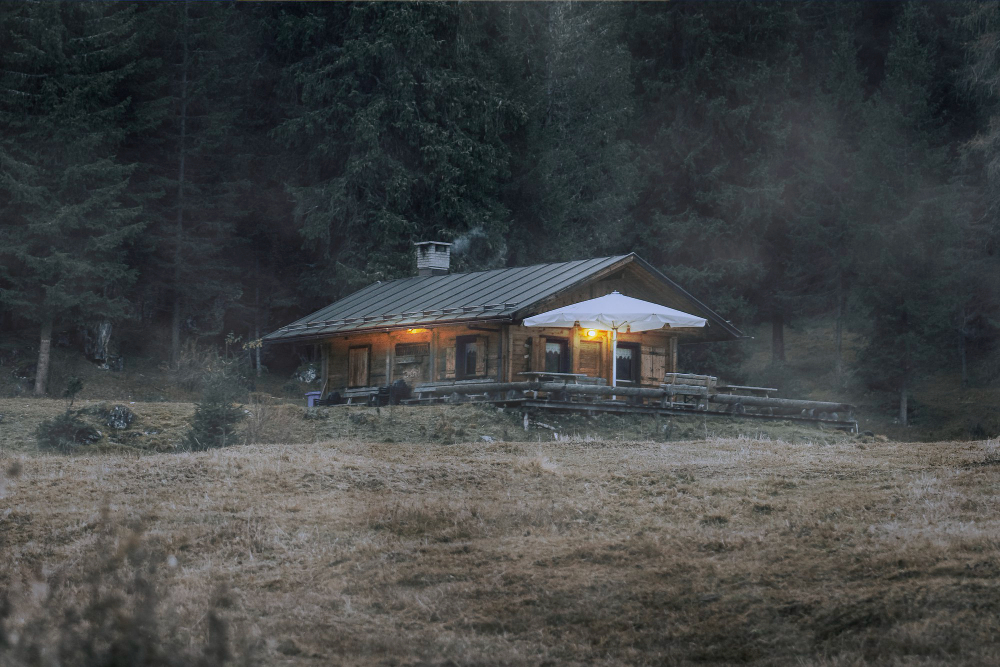



The Mystery of the Cabin in the Forest
During a stormy night, Emily found herself lost in the dense forest near her village. Lightning illuminated the trees, revealing a small cabin hidden among the shadows. Driven by curiosity and fear, she approached the door and knocked softly. To her surprise, it opened slowly, and a warm light spilled into the darkness. Inside, she discovered an elderly woman who invited her to sit by the fireplace and shared stories of the forest’s secrets. Emily realized that even in frightening situations, kindness and courage can lead to unexpected friendships.
O Mistério da Cabana na Floresta
Durante uma noite de tempestade, Emily se viu perdida na densa floresta perto de sua vila. O relâmpago iluminava as árvores, revelando uma pequena cabana escondida entre as sombras. Movida pela curiosidade e pelo medo, ela se aproximou da porta e bateu suavemente. Para sua surpresa, ela se abriu lentamente, e uma luz quente se espalhou na escuridão. Dentro, ela descobriu uma mulher idosa que a convidou a se sentar perto da lareira e compartilhou histórias dos segredos da floresta. Emily percebeu que mesmo em situações assustadoras, bondade e coragem podem levar a amizades inesperadas.
Análise Frase a Frase
During a stormy night, Emily found herself lost in the dense forest near her village.
“During a stormy night” é uma expressão temporal, introduzindo o cenário da narrativa. “Found herself lost” usa a estrutura reflexiva no passado simples. “Dense forest” é vocabulário descritivo. “Near her village” indica localização.
Lightning illuminated the trees, revealing a small cabin hidden among the shadows.
“Illuminated” está no passado simples, verbo formal. “Revealing” é particípio presente, descrevendo consequência do relâmpago. “Hidden among the shadows” usa particípio passado como adjetivo.
Driven by curiosity and fear, she approached the door and knocked softly.
“Driven by” é particípio adjetival mostrando motivação. “She approached” e “knocked” no passado simples. “Softly” é advérbio de modo, qualificando a ação.
To her surprise, it opened slowly, and a warm light spilled into the darkness.
“Opened” e “spilled” no passado simples. “To her surprise” é expressão idiomática que indica reação inesperada. “Into the darkness” mostra direção do movimento da luz.
Inside, she discovered an elderly woman who invited her to sit by the fireplace and shared stories of the forest’s secrets.
“Discovered” e “invited” no passado simples. Estrutura relativa “who invited…” conecta sujeito e ação. “Shared stories of…” mostra posse e conteúdo narrativo.
Emily realized that even in frightening situations, kindness and courage can lead to unexpected friendships.
“Realized” no passado simples. Estrutura “even in…” para enfatizar contraste. “Can lead to” usa modal de possibilidade. “Unexpected friendships” é expressão abstrata, comum em textos narrativos reflexivos.
💡 Dicas de Vocabulário e Estruturas
| Inglês | Português | Explicação |
|---|---|---|
| Stormy night | Noite de tempestade | Expressão descritiva temporal e de clima. |
| Found herself lost | Se viu perdida | Estrutura reflexiva no passado simples. |
| Dense forest | Floresta densa | Vocabulário descritivo, típico de narrativas. |
| Driven by | Movida por | Particípio adjetival mostrando motivação. |
| Knocked softly | Bateu suavemente | Advérbio de modo qualificando verbo de ação. |
| To her surprise | Para sua surpresa | Expressão idiomática indicando reação inesperada. |
| Spilled into | Se espalhou em | Expressão para movimento de luz ou líquido. |
| Sit by the fireplace | Sentar perto da lareira | Preposição de posição, vocabulário de ambiente. |
| Even in | Mesmo em | Estrutura de contraste ou ênfase. |
| Can lead to | Podem levar a | Modal de possibilidade + resultado. |